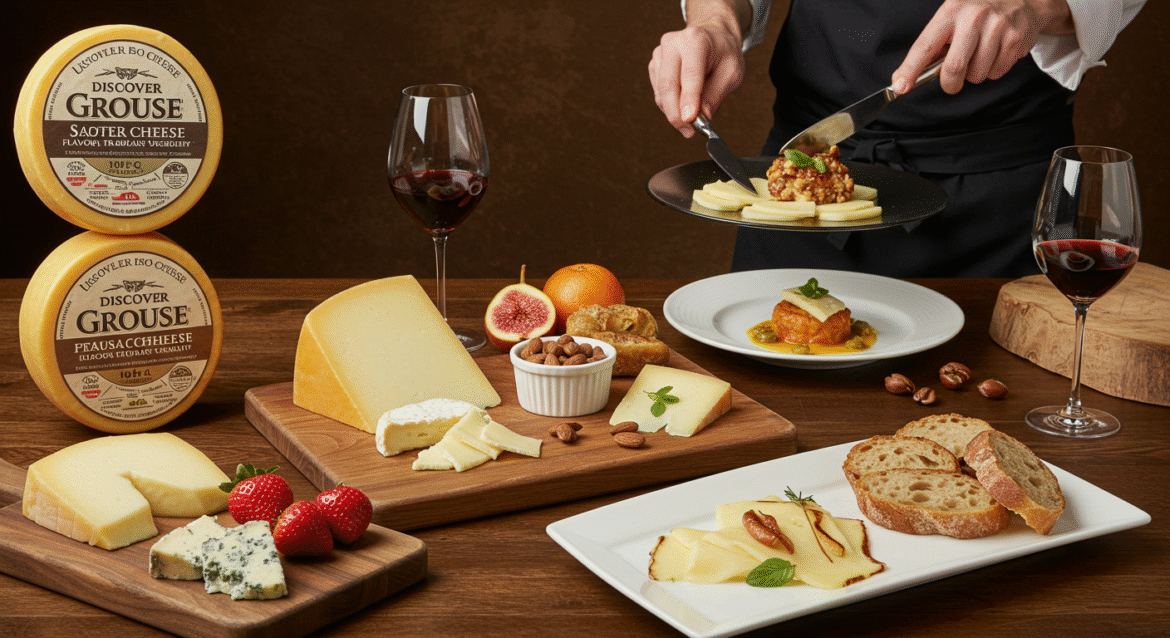
Grouse cheese is a term that may surprise even seasoned food lovers, as it blends two distinct culinary worlds — the rich, savory flavors of game meat and the creamy, complex nature of artisan cheese. While it is not a traditional pairing one might expect to find on supermarket shelves, the concept of grouse cheese stems from the innovative minds of experimental chefs and artisanal food producers who seek to push the boundaries of gastronomy.
The name can refer to either a cheese infused with flavors derived from grouse, a wild game bird prized for its earthy and aromatic meat, or a creative dish that marries slices of roasted grouse with a specially chosen cheese. In either case, the idea taps into the growing culinary movement that celebrates rare flavors and unexpected food pairings, offering gourmets a chance to taste something truly different.
The Origins of Grouse and Its Culinary Significance
Grouse is a game bird native to the moorlands, grasslands, and forests of northern and central regions across Europe, North America, and parts of Asia. In the United Kingdom, grouse hunting is considered a centuries-old tradition, particularly tied to the “Glorious Twelfth,” the start of the grouse shooting season on August 12th each year. Grouse meat has long been regarded as a delicacy for the wealthy and aristocratic classes, known for its deep, slightly gamey flavor that pairs wonderfully with earthy accompaniments.
Because grouse thrives in the wild, its meat develops a unique taste profile influenced by its natural diet of heather, berries, and seeds. These qualities make grouse not just a culinary centerpiece in hunting culture, but also a prime candidate for pairing with cheeses that can balance or complement its bold characteristics.
Cheese as a Complementary Flavor Partner
Cheese, in its many varieties, offers an unmatched diversity of flavors and textures. From sharp, tangy blue cheeses to mild, creamy brie, the world of cheese provides countless possibilities for food pairing. The rich fat content of cheese acts as a natural counterbalance to the slightly dry and robust nature of grouse meat. When combined, the smooth creaminess of cheese mellows the gamey intensity of grouse, creating a harmonious bite that lingers pleasantly on the palate.
While wine has historically been the go-to partner for game meats, cheese presents a similarly luxurious pairing opportunity, and in some cases, can even elevate the dish beyond what wine alone can achieve.
Defining Grouse Cheese in Modern Cuisine
The term “grouse cheese” in modern culinary circles can take on several interpretations. In some cases, it refers to an actual cheese product that has been infused or aged with flavors reminiscent of grouse, perhaps using smoked grouse fat or seasoning derived from the bird’s preparation. In other interpretations, grouse cheese describes a signature dish in which roasted or grilled grouse is paired with a particular type of cheese chosen for its complementary flavor.
Either way, the concept bridges two gourmet traditions — game hunting and artisanal cheesemaking — resulting in a unique gastronomic experience. This innovation is particularly popular in high-end restaurants where chefs enjoy crafting new sensory adventures for adventurous diners.
The Role of Game-Infused Cheeses in Gastronomy
Game-infused cheeses are not entirely new to the culinary world. Cheeses aged with truffle, wild herbs, or smoked meats have been enjoyed for centuries, especially in rural areas where preserving flavor was an important part of food culture. Grouse cheese fits neatly into this tradition, offering a wild, aromatic profile that sets it apart from conventional dairy products. The process often involves infusing cheese curds with reductions made from grouse stock, smoking cheese over grouse woodchips, or even incorporating dried and finely ground grouse meat into the cheese mixture. Such methods result in a cheese that carries subtle hints of game, providing an earthy undertone without overwhelming the creamy essence of the dairy.
Selecting the Right Cheese to Pair with Grouse
When creating a grouse cheese dish or infusion, the choice of cheese is critical. Strong, tangy varieties such as Stilton, Roquefort, or Gorgonzola can hold their own against the bold flavor of grouse, while nutty and firm cheeses like Gruyère or Comté offer a more balanced pairing that highlights both components equally. Soft, creamy cheeses like brie or camembert, when paired with grouse, create a luscious mouthfeel that blends richness with subtle game notes. Cheddar, especially when aged, also makes a worthy companion, lending sharpness that contrasts beautifully with grouse’s earthy profile. The goal is always to achieve a balance where neither the cheese nor the meat dominates, but instead, they elevate each other in harmony.
Cooking Techniques That Bring Out the Best in Grouse Cheese
 Preparing grouse cheese requires careful culinary techniques to ensure that both the meat and the cheese retain their distinct qualities while complementing one another. For infused cheeses, low-temperature smoking or gentle blending of flavors during the cheese aging process is key. When serving grouse with cheese as part of a plated dish, chefs often roast or pan-sear the grouse to perfection, then incorporate the cheese in a sauce, stuffing, or topping.
For example, a tender grouse breast wrapped in prosciutto and baked with a layer of melted Gruyère creates a delightful fusion of savory, creamy, and smoky elements. Similarly, a pâté made from grouse liver and spread on a slice of rustic bread topped with a thin layer of blue cheese can become an exquisite appetizer.
Grouse Cheese in Fine Dining
In fine dining establishments, grouse cheese has found a place as both a bold experiment and a seasonal specialty. Chefs value the exclusivity of grouse, as it is only available during certain months, making dishes featuring it particularly sought after. The incorporation of cheese adds another layer of sophistication, allowing for intricate plating designs and complex flavor profiles. Such dishes often appear on tasting menus, where each bite is designed to surprise and delight the diner. In these settings, grouse cheese may be accompanied by foraged ingredients such as wild mushrooms, berries, or herbs, further enhancing its connection to nature and the outdoors.
Pairing Grouse Cheese with Wine and Other Beverages
Although grouse cheese already represents a marriage of two rich flavors, the right beverage pairing can take the experience to a whole new level. Full-bodied red wines such as Bordeaux, Syrah, or Rioja complement the robust nature of both grouse and cheese. For those who prefer white wines, an oaked Chardonnay or a mature Viognier can provide a pleasing contrast.
In recent years, craft beers and ciders have also been gaining popularity as pairing options, with malty ales and dry ciders offering refreshing balance to the dish’s richness. For non-alcoholic pairings, herbal teas such as rosemary or thyme-infused blends can echo the earthy undertones of grouse while cleansing the palate.
Cultural and Regional Variations of Grouse Cheese
Grouse cheese can take different forms depending on regional tastes and culinary traditions. In the United Kingdom, where grouse is a seasonal delicacy, chefs often use British cheeses such as Stilton or mature cheddar in their grouse dishes. In France, a similar pairing might feature grouse served with Roquefort sauce or melted Comté. Scandinavian countries, where game meat is also a staple, might incorporate grouse into cheese-based spreads or smoked cheese varieties. Even outside Europe, experimental chefs in North America have begun creating dishes that feature grouse alongside locally produced artisan cheeses, adding a touch of regional identity to the pairing.
Sustainability and Ethical Considerations
Like all game meats, grouse comes with sustainability considerations. Wild grouse populations are managed through regulated hunting seasons to ensure ecological balance. Ethical chefs and producers source their grouse from responsible suppliers who adhere to these regulations, ensuring that the bird’s population remains stable. In the case of grouse cheese, using ethically sourced ingredients not only supports conservation efforts but also reassures consumers that they are enjoying a product made with care and respect for nature. Additionally, many artisanal cheesemakers prioritize sustainable dairy farming practices, which aligns well with the values of responsible gastronomy.
The Rise of Experimental Cheese Flavors
The idea of incorporating grouse into cheese or cheese-based dishes reflects a larger trend in the food industry: the rise of experimental flavors. Consumers today are more adventurous than ever, seeking out new taste experiences that go beyond traditional boundaries. From cheeses aged in wine barrels to those infused with chili, lavender, or even coffee, innovation in cheesemaking is thriving. Grouse cheese fits neatly into this movement, offering a sophisticated and unexpected flavor profile that appeals to those eager to try something different. As food festivals, pop-up restaurants, and social media continue to showcase such experiments, interest in unique creations like grouse cheese is likely to grow.
Home Preparation of Grouse Cheese Dishes
While grouse cheese might sound like something you could only experience in a fine dining setting, dedicated home cooks can also create their own versions. If sourcing actual grouse is possible, pairing it with a selected cheese can be as simple as roasting the bird and serving it alongside a cheese platter with complementary varieties. For those unable to find grouse meat, smoked poultry can provide a substitute, and the concept can still be explored through cheese infusions.
A homemade grouse-infused cheese might involve blending slow-cooked grouse stock into a cream cheese base or creating a pâté topped with grated aged cheddar. The key is to experiment while keeping balance in mind, ensuring that neither flavor overwhelms the other.
Grouse Cheese as a Seasonal Treat
One of the aspects that makes grouse cheese so intriguing is its seasonal nature. Because grouse is primarily hunted during late summer and early autumn, dishes featuring it are often tied to harvest season menus. This seasonal exclusivity adds an element of anticipation and celebration, as gourmets look forward to tasting grouse cheese each year. Restaurants may craft limited-time menus that highlight the pairing, often alongside other autumnal ingredients such as root vegetables, chestnuts, and figs. This seasonal approach also allows for creative presentation, from rustic countryside platters to elegant fine dining arrangements.
Future Prospects for Grouse Cheese in the Culinary World
Grouse cheese has the potential to become a sought-after delicacy among adventurous eaters and high-end food enthusiasts. As chefs continue to innovate and diners grow more open to unconventional pairings, the demand for such unique flavor combinations will likely increase. Food tourism could also play a role, with visitors seeking out restaurants known for their grouse cheese creations.
Artisanal cheesemakers might develop more refined methods of infusing game flavors into dairy products, expanding the variety available on the market. While grouse cheese may remain a niche product, its uniqueness ensures that it will stand out in an increasingly competitive culinary landscape.
Final Thoughts on Grouse Cheese
Grouse cheese stands as a testament to the creativity and boldness of modern gastronomy. By marrying the rich, earthy essence of wild grouse with the creamy, nuanced character of fine cheeses, it offers an experience that is both comforting and adventurous. While its rarity and seasonal nature mean it may never become a mainstream staple, that very exclusivity is part of its charm.
For those fortunate enough to taste it, grouse cheese delivers more than just flavor — it tells a story of tradition, craftsmanship, and the joy of culinary discovery. Whether served in an elegant restaurant, prepared at home by a passionate cook, or crafted by an artisan cheesemaker, this unique pairing proves that the most memorable dishes often come from daring to combine the unexpected.
Also Read: Masgonzola