In today’s digital era, unique identifiers, often referred to as UIDs, are essential for authentication, personalization, and user-specific interactions across apps, websites, and platforms. Among the many trending search terms and phrases gaining attention, “daddy calling UID” has emerged as a quirky yet interesting keyword. While at first glance it might seem like just a random mix of words, the phrase carries layers of meaning, from playful digital nicknames to functional identifiers used in gaming, apps, and messaging platforms. In this article, we’ll explore in depth what “daddy calling UID” could mean, why it has become relevant, how it is used in different contexts, and the cultural and digital significance surrounding it.
Understanding the Concept of UID
Before diving into the specifics of “daddy calling UID”, it’s crucial to understand what a UID is. A UID, or Unique Identifier, is essentially a string of numbers, characters, or symbols used by systems to recognize and differentiate users. Whether it’s a social media platform, gaming network, payment gateway, or an app login system, UIDs are foundational in establishing identity. Unlike usernames that can often be duplicated or chosen freely, UIDs are unique and cannot be repeated. They serve as an invisible backbone in digital communication, ensuring that every action can be traced back to a specific account or user.
When paired with a phrase like “daddy calling”, UID transforms from a purely technical term into something playful, memorable, and in some cases, deeply personal. This blending of digital identity with affectionate or humorous language shows how modern culture continues to shape technology.
What Does Daddy Calling UID Mean?
The phrase “daddy calling UID” can have multiple interpretations depending on the context:
-
Playful Digital Nickname: Many people, especially on platforms like WhatsApp, Telegram, or gaming apps, save contacts with funny or affectionate nicknames. “Daddy calling” may appear as a contact name, and “UID” could indicate a unique ID associated with that person.
-
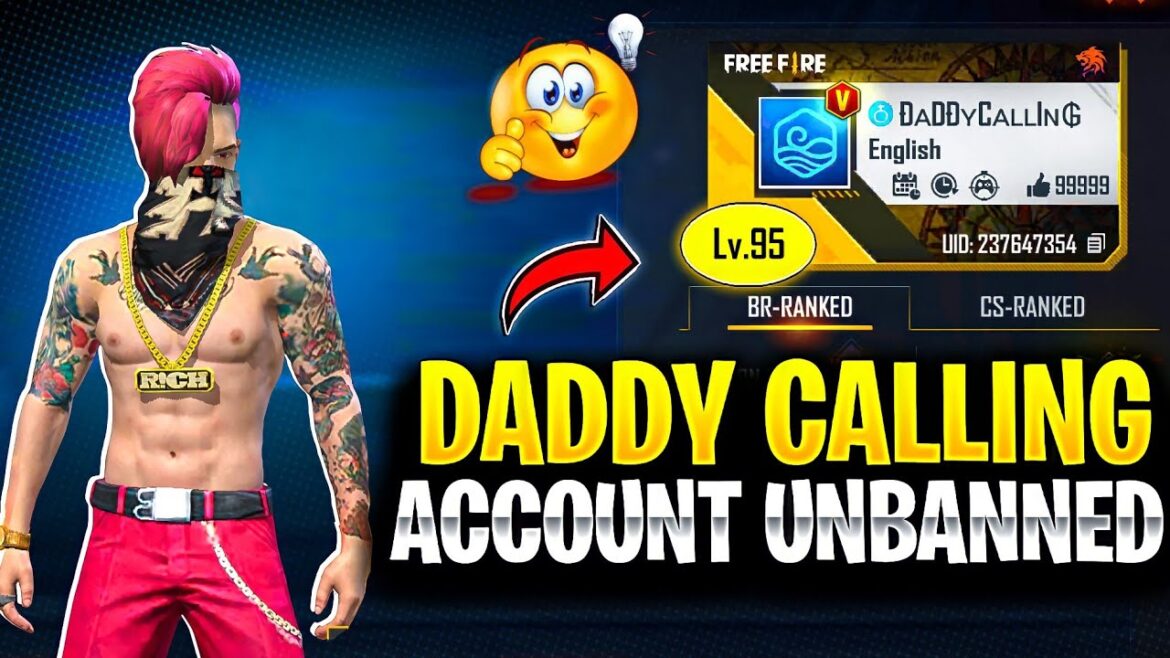
Gaming Culture Reference: In online games like PUBG, Free Fire, and Call of Duty, users are often identified by UIDs. “Daddy” is a common nickname or clan tag used by players to denote authority, dominance, or simply as a fun moniker. “Daddy calling UID” might therefore mean someone is sharing or searching for a UID belonging to a player named Daddy.
-
Meme or Trend Phrase: Social media frequently generates quirky trends where ordinary terms combine into viral search queries. “Daddy calling UID” may have grown into one such phrase, widely searched or used as a meme to reference both digital identities and affectionate titles.
-
Tech or App Feature: It could also represent a hypothetical or real feature in apps where calls are linked with UID-based authentication. This would ensure that “Daddy” as a saved contact is verified or uniquely identified by UID in the system.
Thus, “daddy calling UID” is not a singularly defined term—it shifts meaning with context, making it versatile and intriguing.
The Popularity of Daddy Calling UID in Online Culture
One reason the term has started gaining traction is the rise of digital nicknaming culture. People no longer rely only on plain contact names; instead, they use humor, irony, and affectionate titles. Calling someone “Daddy” can be playful, ironic, or even symbolic of authority. When tied with a UID, it creates a fusion of human relationships and digital uniqueness.
Social media platforms like TikTok, Instagram Reels, and YouTube Shorts thrive on such quirky, searchable terms. Creators often use phrases like “daddy calling UID” in captions, video titles, or hashtags to attract clicks and engagement. Over time, this builds a cycle where search interest grows, leading the phrase to become more prominent across the internet.
Gaming Context: Daddy Calling UID as a Player Identifier
Among the most concrete uses of “daddy calling UID” is in the gaming world. Competitive online games like PUBG Mobile, Free Fire, Garena, Fortnite, and COD Mobile rely heavily on UIDs to track players. A UID is the ultimate identifier that players use to add friends, join teams, or send gifts and rewards.
In these games, nicknames like “Daddy” or “Big Daddy” are extremely common. Players often adopt them to project strength, dominance, or humor. When someone refers to “daddy calling UID”, they may be asking for the UID of a player named Daddy so they can connect, play, or engage with them.
For example, if a gamer named DaddyX99 has the UID 78465293, searching for “daddy calling UID” could be a way of retrieving this ID for gameplay purposes. Over time, such repeated usage creates patterns, making the phrase popular in search queries, forums, and social platforms.
Memes and Pop Culture: Why Daddy Calling UID Feels Catchy
Language on the internet evolves quickly. Phrases that sound unusual, like “daddy calling UID”, often stick because they feel amusing, mysterious, and slightly absurd. The humor lies in combining an intimate word like “daddy” with a rigid technical term like “UID.”
Memes thrive on these juxtapositions. People might use “daddy calling UID” as a punchline in a meme where a father figure’s call is humorously linked with a technical login ID. Others might adopt it as a mock status update or a profile bio because of its quirky vibe.
Cultural trends like these highlight how human creativity blends with technology terminology, turning what was once a dry, technical phrase into something socially shareable.
Technical Relevance of UID in Communication
Though the phrase sounds playful, it underscores the importance of UID systems in communication and connectivity. For instance:
-
In Messaging Apps: WhatsApp, Signal, and Telegram use phone numbers as identifiers, but they also integrate backend UIDs for account management. If a contact saved as “Daddy” calls, the system still uses UID internally to process the call.
-
In Gaming: As mentioned earlier, UIDs are critical for identity management.
-
In Banking and Payments: UIDs ensure that every transaction is traceable to a specific account, reducing fraud.
-
In Governmental Systems: Many countries use UIDs for citizen services, like India’s Aadhaar system.
Thus, the idea of “daddy calling UID” highlights the hidden backbone of modern digital systems—the UID ensures that even playful nicknames or relationships in apps remain uniquely identifiable.
Why People Search for Daddy Calling UID
 Search behavior often reveals cultural interests. People might search for Daddy Calling UID for the following reasons:
-
Curiosity: The unusual combination of words naturally sparks curiosity, leading people to click or search further.
-
Gaming Purposes: Players might be trying to find a specific UID belonging to a player named Daddy.
-
Entertainment: Memes, videos, or jokes with this phrase make it trendy enough for people to look up.
-
Practical Usage: Some might genuinely wonder if it refers to a technical feature or a contact-saving method.
Search engines reward such phrases when they gain traction, which is why websites, blogs, and videos often optimize for quirky keywords like “daddy calling UID.”
Psychological and Social Angle of the Phrase
The popularity of “daddy calling UID” also sheds light on how language evolves in the digital age. People tend to mix emotional, humorous, or relational terms with highly technical jargon. This combination makes technology feel more humanized and less sterile.
The word “daddy” has many connotations—from fatherhood and authority to playful nicknames in relationships. Pairing it with UID creates a unique blend of emotional connection and digital individuality. It’s not just a term—it’s an expression of how users perceive their digital and social interactions.
Daddy Calling UID and the Evolution of Digital Identity
Digital identity has come a long way from the days of simple usernames. Today, UIDs ensure secure authentication, reduce fraud, and personalize user experiences. But identity is not just about security; it’s also about expression. People increasingly use nicknames, profile pictures, and bios to represent themselves in online spaces.
The phrase “daddy calling UID” highlights this evolution. It symbolizes the merging of serious digital infrastructure (UIDs) with human personalization (nicknames like Daddy). This blend demonstrates that identity online is not just functional—it’s cultural. People want to be uniquely identifiable while also expressing humor, creativity, and relationships.
Potential Future of Daddy Calling UID as a Trend
Like many internet trends, “daddy calling UID” might evolve into something bigger. Possible future uses include:
-
Merchandise & Branding: T-shirts, mugs, or memes featuring the phrase.
-
App Features: Developers could gamify caller IDs by linking nicknames like “Daddy” with backend UIDs.
-
Gaming Clans: Groups of players may adopt “Daddy Calling UID” as a clan name or community identity.
-
Digital Jargon: It might even enter mainstream slang, symbolizing any mix of personal identity with technical uniqueness.
Internet culture thrives on such oddities, and what begins as a quirky search phrase often transforms into long-lasting digital expressions.
Conclusion
At first glance, “daddy calling UID” might appear nonsensical, but when analyzed, it represents the blending of digital identity with social humor and gaming culture. From gaming identifiers to memes, social nicknames, and technical systems, this phrase highlights how people connect emotionally with technology.
It shows that even the most technical terms, like UID, can become part of cultural conversations when paired with playful words like “daddy.” Whether used in gaming communities, meme culture, or as a searchable trend, the phrase reflects the ever-changing landscape of online communication.
In the future, phrases like “daddy calling UID” will continue to emerge, reminding us that language, technology, and culture are deeply interconnected. What may sound unusual today could easily become tomorrow’s viral trend, keeping the digital world dynamic and endlessly fascinating.
Also Read: Educationbeing Com