Introduction to Asbestlint
The term asbestlint is often used in reference to asbestos fibers, particles, or dust that accumulate in buildings, industrial areas, or even homes where asbestos-containing materials are present. Asbestos itself is a naturally occurring mineral known for its heat resistance, strength, and insulating properties. While these features made it highly popular throughout the 20th century, the discovery of its harmful health effects transformed it into one of the most concerning environmental hazards of modern times.
Asbestlint essentially refers to the fine particles and fibers that may be released into the air when asbestos materials deteriorate, are disturbed, or improperly handled. Understanding what asbestlint is, how it forms, and the dangers it poses is critical to ensuring safety in both residential and industrial environments.
The Origins of Asbestlint
Asbestos has been used for centuries, but large-scale industrial use began in the late 1800s. By the mid-20th century, it was found in thousands of products, including insulation, roofing, flooring, cement, gaskets, textiles, and automotive parts. Over time, as these products aged, tiny fragments and fibers became airborne. This airborne debris is what many refer to as asbestlint. It may settle on surfaces, circulate in ventilation systems, or be inhaled by individuals who come into contact with contaminated areas. Unlike ordinary dust, asbestlint consists of needle-like microscopic fibers that lodge deep into the lungs, posing severe long-term health risks.
Physical Characteristics of Asbestlint
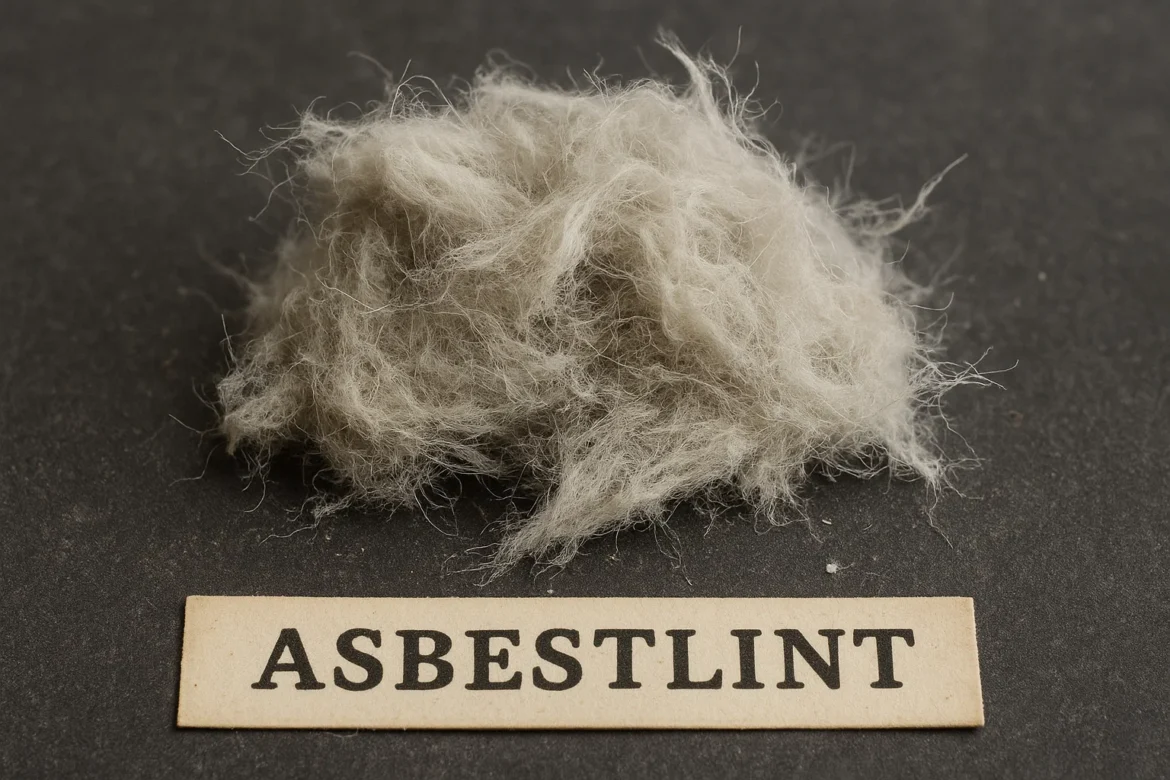
What sets asbestlint apart from other forms of dust is its microscopic, fibrous structure. While regular dust particles may be visible and easy to clean, asbestos fibers are often invisible to the naked eye. Under a microscope, these fibers appear as long, thin crystals that can break into even finer strands. Their lightweight nature allows them to remain suspended in the air for extended periods, making them highly inhalable. Once disturbed, asbestlint is difficult to control or completely remove without specialized equipment. This persistence in the environment is one of the main reasons asbestos contamination continues to be a global concern.
Health Risks Linked to Asbestlint
The health dangers of asbestos exposure are well-documented and have been studied extensively over the past few decades. When asbestlint is inhaled, the fibers can penetrate deep into the lungs, where the body struggles to expel them. Over time, these fibers cause scarring, inflammation, and genetic damage that may lead to severe illnesses.
The most common diseases associated with asbestos exposure include asbestosis (a chronic lung disease marked by fibrosis), mesothelioma (a rare and aggressive cancer of the lung lining), and lung cancer. There is no safe level of asbestos exposure, meaning that even minimal contact with asbestlint may increase health risks over time.
Asbestlint in Residential Buildings
Many older residential buildings still contain asbestos materials, especially homes constructed before the 1980s. In these properties, asbestlint may form when insulation breaks down, when vinyl flooring deteriorates, or when old roofing materials are disturbed during renovations. Homeowners are often unaware that asbestos is present, and without proper testing, asbest contamination can go unnoticed for years. Common areas of concern include attics, basements, boiler rooms, and garages. The hidden nature of asbest makes it especially dangerous, as occupants may unknowingly breathe in fibers during everyday activities.
Asbestlint in Industrial and Commercial Settings
Industrial and commercial buildings constructed during the peak of asbestos use are highly prone to asbestlint contamination. Factories, warehouses, schools, and office buildings often used asbestos for fireproofing and insulation. When maintenance, demolition, or construction work takes place, the potential release of asbest is significant.
Workers in industries such as shipbuilding, automotive repair, and construction have historically been among the most exposed. Today, occupational safety regulations attempt to minimize these risks, but accidental releases of asbestlint during renovations or natural disasters remain a serious problem.
Detection of Asbestlint
Detecting asbestlint is not a straightforward process because asbestos fibers are invisible to the naked eye. The only reliable way to confirm the presence of asbestos is through professional sampling and laboratory testing. Specialists collect air, dust, or material samples, which are then analyzed under polarized light microscopy or electron microscopy.
Air monitoring equipment can measure fiber concentration, giving a clearer picture of potential exposure levels. DIY asbestos testing kits exist, but due to the hazardous nature of handling asbestos, professional services are strongly recommended. Detection is a crucial step in managing asbestlint contamination.
Regulations and Legal Framework
Governments worldwide have implemented strict regulations regarding asbestos use, handling, and removal. In many countries, asbestos is now banned, but older buildings still contain legacy asbestos materials. Regulatory bodies set safety standards for acceptable fiber levels in workplaces, outline proper disposal procedures, and require certification for asbestos abatement professionals.
In the European Union, the United States, Canada, and Australia, laws require that asbestos surveys be conducted before any demolition or renovation projects. Failure to comply can lead to legal consequences, fines, and increased liability if workers or residents are exposed to asbestlint.
Safe Management of Asbestlint
 Proper management of asbestlint involves a combination of containment, removal, and ongoing monitoring. In cases where asbestos materials are intact and undisturbed, encapsulation may be recommended, sealing the fibers to prevent release. However, if the materials are friable (easily crumbled), removal may be the only safe option. Professional asbestos abatement teams use specialized equipment such as negative air pressure units, HEPA vacuums, and protective suits to ensure safe handling. It is crucial that untrained individuals never attempt to clean or remove asbestlint, as this can release even more fibers into the air.
The Role of Awareness and Education
One of the most effective ways to reduce the dangers of asbestlint is through public awareness and education. Many people still underestimate the risks of asbestos exposure, assuming that problems only arise in industrial settings. In reality, asbestos can be present in ordinary homes, schools, and office buildings. Educational campaigns help individuals recognize potential asbestos hazards, seek testing when necessary, and follow safety protocols during renovations. Workers in at-risk industries also benefit from training programs that teach them how to recognize, report, and handle asbestos materials properly.
Environmental Impact of Asbestlint
The release of asbestlint does not only affect human health—it also has environmental consequences. Asbestos fibers can contaminate soil, water, and air when improperly disposed of or when natural disasters damage asbestos-containing structures. Wildlife exposed to contaminated environments may also suffer long-term effects.
Asbestos waste that is not carefully managed can leach into groundwater, creating additional challenges for ecosystems and human populations alike. Environmental protection agencies emphasize proper containment and disposal of asbestos waste to prevent widespread contamination.
Modern Alternatives to Asbestos
Since the dangers of asbestos became widely known, industries have sought safer alternatives. Materials such as fiberglass, mineral wool, cellulose, and thermoset plastic composites now serve as substitutes in insulation, roofing, and fireproofing. These alternatives provide similar benefits without releasing hazardous fibers. While no substitute perfectly matches asbestos in all aspects, the development of safer building materials has drastically reduced reliance on asbestos products. Encouraging the use of these alternatives is a critical step in reducing future asbestlint risks.
Challenges in Asbestlint Management
Despite advancements in asbestos regulation and abatement technology, managing asbestlint remains a challenge. Many older buildings have not undergone asbestos surveys, meaning that hidden contamination persists. In developing countries, asbestos use continues due to lower costs and weaker regulations, creating global disparities in safety standards. Additionally, the cost of asbestos removal can be prohibitive for some property owners, leading to neglect and increased exposure risks. Addressing these challenges requires international cooperation, funding assistance, and stricter enforcement of safety policies.
Case Studies and Real-World Incidents
Several high-profile cases highlight the dangers of asbestlint exposure. For example, communities near asbestos mines, such as Libby, Montana in the United States, suffered widespread contamination affecting both workers and residents. In other cases, schools and office buildings undergoing renovation have accidentally released asbestos fibers, leading to temporary closures and costly cleanup operations. These incidents illustrate the importance of proactive management, proper safety protocols, and quick response measures when dealing with potential asbestlint contamination.
The Future of Asbestlint Awareness
Looking ahead, the fight against asbestlint requires ongoing vigilance. As older buildings continue to age, the likelihood of asbestos deterioration increases. Governments, businesses, and individuals must prioritize asbestos management to prevent new cases of exposure. Advances in detection technology, such as real-time air monitoring and digital mapping of contaminated sites, may enhance safety measures.
Public health campaigns and stricter international bans on asbestos mining and use will further reduce risks. Ultimately, while asbestos is a problem of the past, its legacy continues to pose threats that must be carefully managed in the future.
Conclusion
Asbestlint represents one of the most enduring environmental and public health challenges of the modern age. Invisible, persistent, and highly dangerous, asbestos fibers require careful detection, management, and removal to protect human health and the environment. Through stronger regulations, professional abatement practices, public education, and the adoption of safer alternatives, the risks posed by asbestlint can be reduced significantly.
The responsibility lies not just with governments or industries but with individuals as well—whether homeowners, workers, or community members—to remain informed and proactive. Understanding asbestlint is the first step toward safeguarding both present and future generations from its devastating consequences.
Also Read: The Spark Shop Men Winter Jacket Sportswear Gym Fitness